Customs and Import Management for Superyacht Galley Equipment
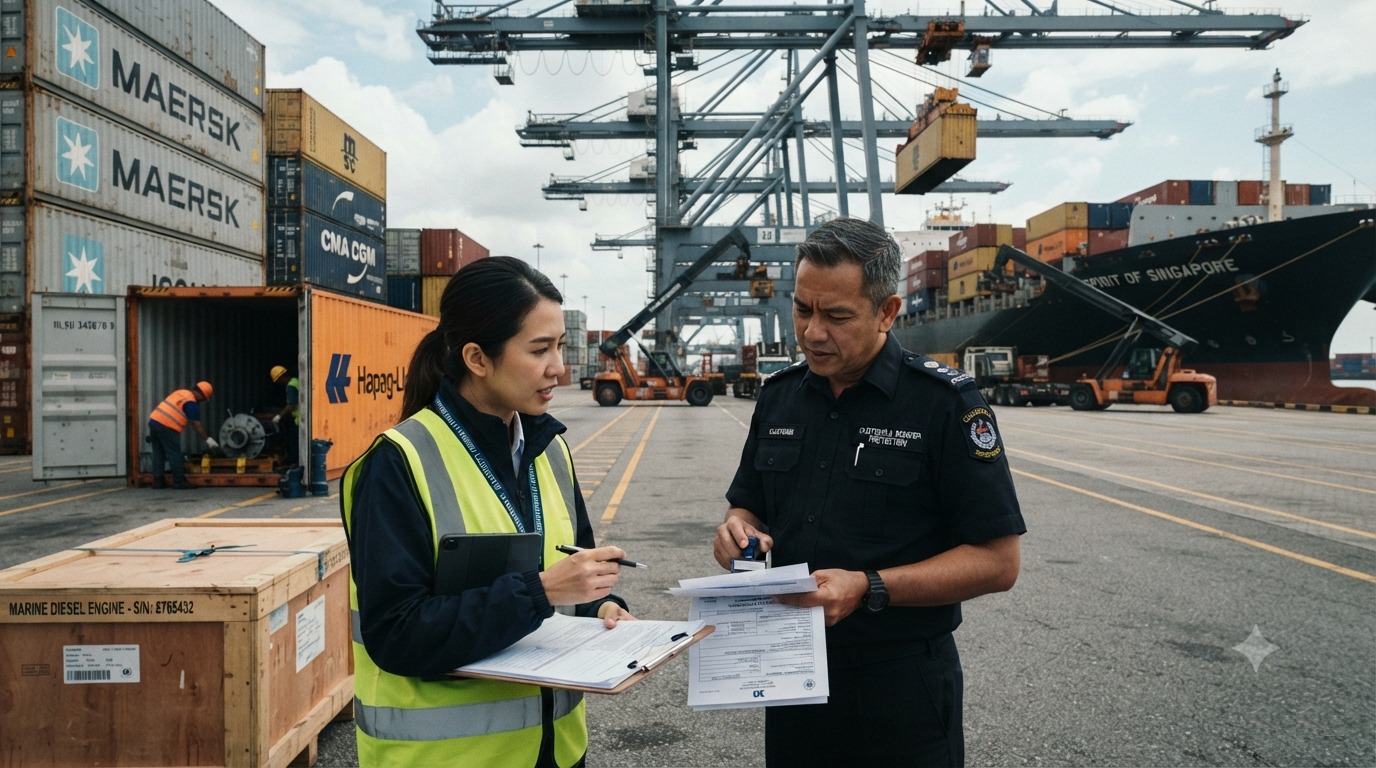
The importation of galley equipment for a superyacht project involves customs procedures that, if not managed correctly, can result in significant duty costs, delivery delays and administrative complications that affect the project programme. The customs landscape for superyacht equipment is complex — different procedures apply depending on the equipment's origin, destination, the vessel's registration and the purpose of the importation.
We manage customs and import procedures for all equipment we supply, working with specialist maritime customs agents to ensure that equipment is imported correctly, that available duty relief provisions are claimed and that documentation is in order for the vessel's flag state requirements.
Import Duty Relief for Superyachts
Equipment being permanently installed aboard a superyacht is often eligible for duty relief that significantly reduces or eliminates the import duty that would otherwise apply. The primary mechanisms available include:
Temporary Importation (TI) — the most commonly used relief for superyacht equipment, TI allows goods to be imported into a country duty-free provided they will leave the country (aboard the vessel) within a specified time. Most EU and non-EU countries offer a TI regime for vessel equipment. The procedure and documentation requirements vary by country.
Vessel's Carnet de Passage — a Carnet de Passage is an international customs document that covers a vessel and its equipment when transiting between countries. Equipment listed on the Carnet is deemed to have been imported with the vessel and benefits from the Carnet's coverage of temporary importation.
VAT relief on export — equipment purchased in the EU for installation on a vessel that will leave the EU may be eligible for VAT relief as an export. The specific conditions for this relief vary by country and by the buyer's VAT status.
Country-Specific Customs Considerations
The customs procedures for superyacht equipment vary significantly between countries. We have direct experience managing equipment imports in the major superyacht regions — EU, UK, Norway, Turkey, Croatia, UAE, USA, Caribbean jurisdictions, and the major Asia-Pacific destinations. Where a vessel is based in a jurisdiction with which we have less direct experience, we work with specialist freight forwarders and customs agents who have the relevant local expertise.
Frequently Asked Questions: Superyacht Galley Equipment Customs
Do we pay import duty on galley equipment bought in Europe and installed at a Turkish yard?+
Equipment imported into Turkey for installation aboard a vessel that is being built or refitted and will leave Turkey may qualify for Temporary Importation relief under Turkish customs law, exempting it from Turkish import duties for the duration of the installation. The procedure requires registration of the equipment as temporary imports before or at the point of entry. We work with our Turkish customs agents to manage this process and ensure the appropriate documentation is in place before delivery. The specific relief available and documentation required should be confirmed with the customs agent for each shipment.
What is an ATA Carnet and when is it used for galley equipment?+
An ATA Carnet is an international customs document that allows temporary duty-free importation of goods into participating countries. For superyacht equipment, it is used when equipment will be imported into a country temporarily — for example, equipment carried aboard a vessel transiting a port — rather than permanently installed. The ATA Carnet guarantees that the goods will be re-exported and that if they are not, the issuing chamber of commerce will pay the applicable duties. Most developed countries participate in the ATA Carnet system.
Can we reclaim VAT on galley equipment purchased for a yacht?+
VAT reclaim on superyacht equipment is complex and depends on the vessel's commercial or private status, the owner's VAT registration status, the vessel's flag state and the destination of the equipment. Commercial charter yachts may be able to recover input VAT on equipment purchases in some jurisdictions. We always recommend discussing VAT treatment with a specialist maritime tax adviser who can assess the specific situation. We provide all necessary purchase documentation — invoices, delivery records, technical specifications — to support VAT reclaim applications.
What documentation is required when importing galley equipment into the USA?+
Equipment imported into the USA for installation aboard a vessel must comply with US Customs and Border Protection (CBP) import procedures. Standard documentation includes a commercial invoice, packing list, bill of lading and any required certificates of origin. Equipment imported for a vessel that will leave US waters may qualify for a duty exemption under the provisions applicable to foreign-documented vessels. We work with our US customs agents to identify and apply the correct import classification and duty treatment for each shipment, in coordination with the vessel's maritime lawyers where required.
How do we handle customs for urgent replacement parts when a vessel is in a non-EU country?+
Urgent replacement parts shipped to a vessel in a non-EU country face the same import procedures as any international shipment, but with the added time pressure of operational urgency. We route urgent parts via air freight with pre-clearance of customs documentation where possible to minimise port handling delays. For parts that are low in value and clearly identifiable as vessel spares, customs clearance is typically straightforward. For higher-value items, we prepare documentation in advance and, where necessary, engage a local customs agent in the destination port to expedite clearance. A vessel with a Carnet de Passage can in some cases use its Carnet to cover spare parts in transit.
Do galley equipment certifications vary by country?+
CE marking (European Conformity) is accepted in most European and Mediterranean countries and by most flag states for equipment installed aboard superyachts. US-market equipment typically carries UL (Underwriters Laboratories) certification rather than CE. For vessels that operate across both markets, dual-certified equipment is available from most major manufacturers, though it may carry a price premium. Flag state requirements for galley equipment certification vary — we advise on applicable standards for each vessel based on its flag state and intended operational area before equipment is specified.
How long does customs clearance typically take?+
Customs clearance time varies by country and by the completeness of the accompanying documentation. In EU countries, customs clearance for correctly documented shipments is typically one to two working days. In non-EU countries, clearance times range from same-day to five or more working days depending on the country's customs administration, inspection requirements and the complexity of the import classification. For time-critical shipments, we engage customs agents in the destination country to pre-lodge documentation before the shipment arrives, minimising customs hold time.
Can equipment be held in bond at the port while awaiting installation?+
Yes. Equipment can be placed in a bonded warehouse at the port of entry, where it is held in a duty-suspended state until the vessel is ready to receive it. Bonded storage allows equipment to be imported and cleared at any time, while deferring the duty payment (or confirming duty relief eligibility) until the point of delivery to the vessel. Bonded storage incurs warehouse charges and must be managed within the time limits that apply under the specific bond conditions. We use bonded storage where it benefits the project's timing or financial position.