Fleet Galley Solutions — The Superyacht Galley

Fleet Galley Solutions: Standardised Specification Across Multiple Vessels

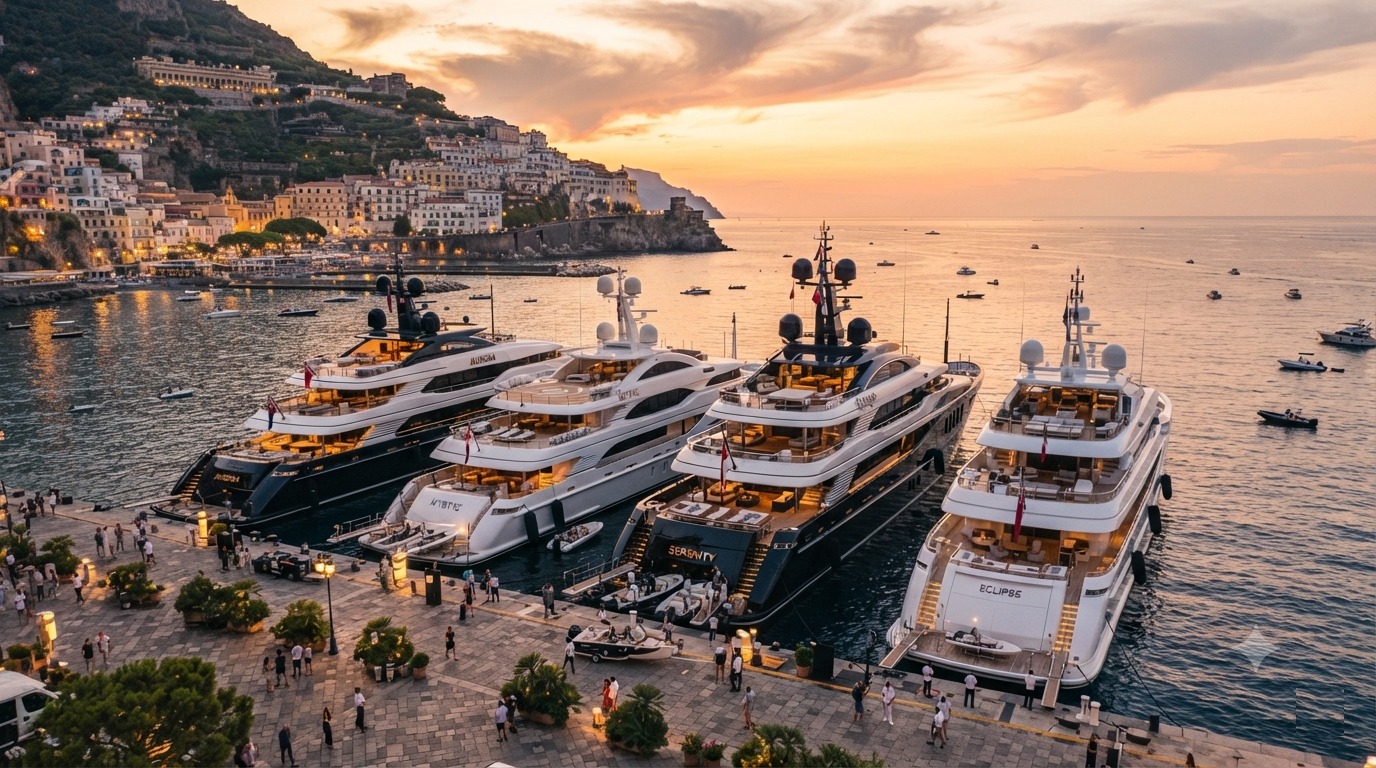
Managing the galley equipment programme across a fleet of superyachts introduces both opportunities and challenges that do not arise in single-vessel projects. Done well, fleet management creates significant advantages in procurement cost, operational consistency, crew training efficiency and after-sales service. Done poorly, it results in a mixed equipment inventory that lacks the economies of a true fleet approach while still requiring the management complexity of multiple vessels.

We work with fleet operators, charter management companies and corporate yacht programmes to develop and implement fleet galley strategies that deliver the benefits of standardisation while preserving the flexibility to meet each vessel's specific requirements.

The Case for Fleet Standardisation

Standardising galley equipment across a fleet of vessels creates three categories of benefit:

Procurement economics — purchasing multiple units of the same equipment model creates volume leverage with suppliers that reduces unit cost. For fleets of three or more vessels, this leverage can produce meaningful savings on major equipment items such as combi ovens, dishwashers and laundry machines.

Operational consistency — when all vessels in a fleet are equipped with the same appliances, chef crew can move between vessels within the same management company or programme without relearning equipment. This is particularly valuable in charter management where chefs frequently rotate across vessels in the same fleet. A chef who knows the Rational iCombi Pro on one vessel can immediately work effectively with it on another.

Inventory and after-sales efficiency — a standardised fleet spare parts inventory covers all vessels simultaneously. A critical spare part carried by one vessel in the fleet is available to all others by courier in a crisis. After-sales service relationships with a single supplier cover all vessels, simplifying management and often improving service response.

Fleet Specification Strategy

Our fleet specification approach establishes a core equipment standard — a set of preferred brands and models that all vessels in the fleet should use — while allowing vessel-specific variations where individual requirements justify departure from the standard. The core standard typically covers:

  • Combi oven brand and model family (size varies by vessel)
  • Dishwasher and glasswasher brand
  • Laundry equipment brand
  • Refrigeration brand

Vessel-specific variations are permitted — and in some cases required — where a vessel's size, layout or operational brief makes a different specification clearly superior to the fleet standard. We document the rationale for any fleet standard departure to maintain clarity in the fleet inventory.

Frequently Asked Questions: Fleet Galley Solutions

How large does a fleet need to be to benefit from standardisation?+
The benefits of standardisation begin to materialise from two vessels and become increasingly significant from three onwards. At two vessels, the primary benefit is operational — crew can move between vessels without equipment retraining, and a shared spare parts kit has obvious value. At three to five vessels, procurement leverage begins to produce meaningful equipment cost savings. At five or more vessels, standardisation creates a genuinely professional fleet supply and after-sales infrastructure that delivers sustained cost and operational benefits.
Can different-sized vessels in a fleet use the same equipment brands?+
Yes, and this is the most practical approach to fleet standardisation. Rational produces combi ovens from 6 to 202 GN tray capacity — all using the same iCombi Pro interface and cooking logic. A chef trained on a Rational iCombi Pro 6-grid on a 30-metre vessel can operate a Rational iCombi Pro 20-grid on a 60-metre vessel with minimal adjustment. The same applies to Winterhalter dishwashers across the product range and Miele Marine laundry equipment across different drum sizes. Standardising on brands rather than specific models allows the fleet standard to accommodate different vessel sizes.
How do we manage spare parts across a fleet?+
A fleet spare parts strategy has two components: a centralised inventory of common-failure items stored at the fleet's home port or management office, and a vessel-level kit of critical consumables carried aboard each vessel. The centralised inventory provides a deeper stock of parts that can be dispatched to any fleet vessel by courier. The vessel-level kit ensures that common repairs can be completed immediately regardless of the vessel's location. We develop the spare parts strategy as part of the fleet specification and provide an inventory management framework to maintain stock levels over time.
How does a fleet approach affect the after-sales service relationship?+
A fleet relationship with a single after-sales service provider is significantly more valuable than individual vessel relationships. The service provider develops institutional knowledge of the fleet's equipment configuration that speeds fault diagnosis and resolution. A fleet account gives the management company leverage to negotiate service response time and pricing that is not available on a vessel-by-vessel basis. We maintain the fleet service relationship on behalf of clients and coordinate all after-sales activity across the fleet, providing a single point of contact for all service needs.
Can a fleet galley programme include training for all chefs?+
Yes, and this is one of the highest-value activities within a fleet galley programme. A standardised equipment fleet makes centralised chef training practical — a half-day equipment training session covers all the equipment a chef will encounter on any vessel in the fleet. We can organise and deliver equipment training sessions for fleet chefs and provide a standardised galley handbook that covers the operation of every appliance in the fleet's standard specification. For charter management companies with seasonal chef crew, we can run pre-season training sessions before the start of each charter season.
What is the procurement saving from buying galley equipment for multiple vessels?+
Procurement savings from fleet volume purchasing vary by equipment category and supplier. On major items such as combi ovens and dishwashers, volume pricing for a fleet of three to five vessels can reduce unit cost by 10 to 20 percent compared to individual purchase pricing. For a full galley fit-out costing €200,000 per vessel, this saving across a five-vessel fleet represents a significant project budget benefit. We negotiate fleet pricing on behalf of our clients and provide transparent pricing that demonstrates the saving relative to individual purchase price.
How do we handle a vessel that does not fit the fleet standard?+
Every fleet has outliers — vessels whose specific configuration, size or operational requirements make the fleet standard equipment impractical or suboptimal. We document these departures explicitly and manage the non-standard vessel's after-sales requirements separately. The goal is to minimise departures from the fleet standard without forcing a standard that genuinely compromises the outlier vessel's galley performance. Where a departure is required, we try to maintain the fleet standard brand — specifying a different model from the same brand to preserve the operational familiarity benefit even where the specific model differs.
How is a fleet galley programme refreshed over time?+
We review the fleet standard specification periodically — typically every two to three years — to assess whether equipment technology improvements, new products or changes to the fleet's operational requirements justify updating the standard. We also monitor the age and condition of equipment across the fleet and advise on planned replacement schedules to prevent simultaneous age-related failures across multiple vessels. A proactive equipment lifecycle management approach is far less disruptive and more cost-effective than reactive replacement when equipment fails in service.
Abraham Stones
Superyacht Galley Specialist

Abraham Stones has delivered fleet galley solutions for owners, shipyards and management companies worldwide. His 20+ years of hands-on superyacht galley experience ensures every solution is grounded in real operational knowledge.

View full profile →

Discuss Your Project

Tell us about your vessel and requirements. Our team responds to all enquiries within one business day.